

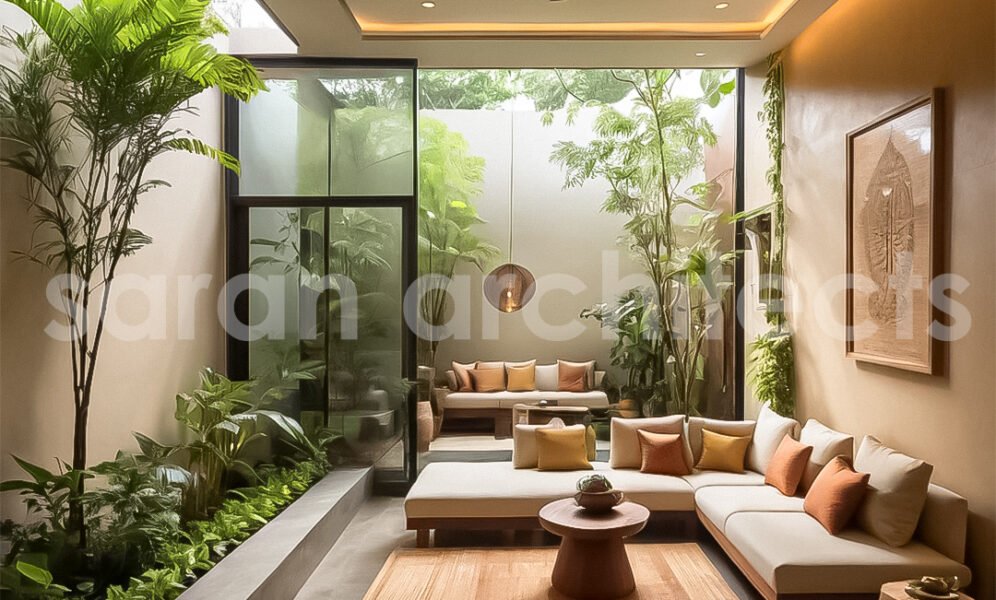
Key Phrases: How do you balance nature and comfort in home design?, spiritual design, sustainable architecture, Vastu compliance, natural elements in design, energy flow in homes
Are you wondering, “How do you balance nature and comfort in home design?” Imagine living in a home that not only captivates with its beauty but also harmonizes perfectly with nature’s rhythms. This is the essence of Spiritual Design, a sophisticated approach that blends sustainable architecture with the timeless principles of Vastu Shastra to create environments that are as functional as they are serene.
Understanding the Foundation: The Paanchbhootas
At the heart of Spiritual Design lie the Paanchbhootas—Earth, Water, Air, Fire, and Space. These five fundamental elements are not just abstract concepts but tangible forces that shape our daily lives and our very existence. Have you ever pondered how these elements influence the spaces you inhabit?
- Earth: Provides stability and grounding. In your home, Earth can be represented through sturdy materials and strategic placement of rooms to ensure a solid foundation.
- Water: Symbolizes flow and purification. Incorporating water features or ensuring proper plumbing and drainage can enhance the serene quality of your living spaces.
- Air: Represents movement and freshness. Optimal ventilation and the use of natural airflow can keep your home comfortable and invigorating.
- Fire: Denotes energy and transformation. Harnessing natural sunlight and integrating energy-efficient lighting can bring warmth and vibrancy to your home.
- Space: Embodies the essence of openness and flexibility. Thoughtful layout planning ensures that each space within your home feels spacious and adaptable to your needs.
How do you currently incorporate these elements into your home design? Spiritual Design meticulously weaves these natural forces into the fabric of your living environment, enhancing the energy flow and promoting overall well-being.
Harnessing the Power of the Sun: Sustainable and Spiritual
The sun is our primary energy source, powering nearly all activities on Earth. Do you maximize natural sunlight in your home design? Sustainable architecture emphasizes the importance of natural light not only for reducing energy consumption but also for creating a vibrant and uplifting atmosphere.
Proper orientation is crucial in Spiritual Design. By ensuring that the least-used spaces receive the most sunlight, you can keep living areas cool and comfortable, reducing the need for artificial lighting and climate control. How do you balance sunlight exposure in your home?
Consider the following strategies:
- South-Facing Windows: In the northern hemisphere, south-facing windows capture maximum sunlight, providing ample natural light during the day.
- East and West Windows: These can be optimized with shading devices to control heat gain while allowing morning and evening light to filter through.
- Skylights and Light Tubes: These innovative solutions can bring natural light into interior spaces without compromising privacy or comfort
Strategic Room Placement: Creating a Harmonious Atmosphere
The placement of rooms and openings plays a significant role in shaping your home’s psychological atmosphere. Do you want your living spaces to evoke feelings of peace and prosperity? Every design choice, from the direction your main entrance faces to the placement of windows and doors, contributes to the overall tranquility of your home.
- Avoiding South-Facing Entrances: In many traditional Vastu guidelines, south-facing entrances are believed to bring in negative energy. Instead, entrances facing north or east are preferred for their auspiciousness and positive energy flow.
- Ample Ventilation: Ensuring that your home is well-ventilated with strategically placed windows and vents can promote a healthy and refreshing environment, reducing the risk of stagnant air and related health issues.
- Room Functionality: Different rooms serve different purposes and thus require different energy dynamics. For instance, bedrooms should be positioned in quieter, less exposed areas to foster relaxation, while living rooms can benefit from more open and airy layouts to encourage social interaction and activity.
Have you ever noticed how certain rooms in your home make you feel more relaxed or energized? Understanding the principles of Spiritual Design can help you create spaces that consistently support your desired emotional and psychological states.
Integrating Sustainable Practices with Spiritual Principles
Sustainable architecture is not just about minimizing environmental impact; it’s about creating a living space that is in harmony with the natural world. How do you incorporate sustainability into your home design?
Spiritual Design takes sustainability a step further by integrating Vastu Shastra principles to ensure that your home is not only eco-friendly but also energetically balanced. This holistic approach ensures that every aspect of your home—from energy usage to material selection—supports both environmental sustainability and personal well-being